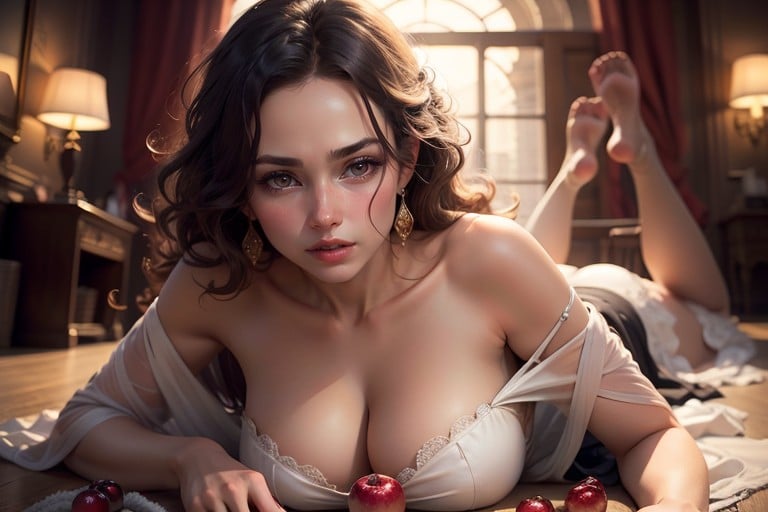
Exploring the world of AI image generation for adult content can be incredibly exciting, opening up new avenues for creativity and fantasy. Many users dive in headfirst, but it’s surprisingly easy to stumble into common errors that can lead to disappointing results; for instance, understanding the nuances of prompt engineering is crucial, and resources like https://porno-generator.com/ can offer guidance on how to navigate these complexities. Avoiding these pitfalls ensures a smoother, more rewarding experience as you learn to harness the power of these tools. With a little foresight, you can elevate your creations from generic to spectacular.
Mastering ai image generator porn: The Prompting Pitfall
One of the most frequent missteps when creating adult AI imagery is the vagueness of your prompts. Simply typing a few keywords will often yield generic or unintended results, leaving you frustrated. AI models need detailed instructions to understand your vision, specifying not just the subjects but also the mood, lighting, artistic style, and camera angles you desire. The more precise your language, the closer the generated image will be to what you imagined.
Think of it like giving directions to someone who has never been to your desired destination; you wouldn’t just say „go to the city,“ you’d provide specific street names, landmarks, and turns. Similarly, for advanced ai image generator porn, detailing elements like „cinematic lighting,“ „soft focus,“ „intimate setting,“ „specific attire,“ or „emotional expression“ will drastically improve output quality. Invest time in learning descriptive terms and modifiers to communicate your intent effectively to the AI.
Refining Your Aesthetic: Style and Consistency
Another common pitfall is neglecting the importance of style and consistency across your generated images. If you’re aiming for a specific aesthetic, like retro pin-up or futuristic cyberpunk, you need to consistently guide the AI towards that look. Without clear stylistic cues, your generated images might vary wildly in appearance, even if the core subject matter is similar. This inconsistency can break immersion and make a collection of images feel disjointed rather than cohesive.
To achieve a consistent visual identity, experiment with embedding style keywords directly into your prompts, or utilize features offered by some generators that allow you to reference specific artistic styles or even previous images. Developing a personal style guide, even if just a list of preferred adjectives and artists, can be incredibly helpful. Here are some common stylistic elements to consider:
- Artistic Medium (e.g., oil painting, watercolor, digital art)
- Lighting Techniques (e.g., Rembrandt lighting, neon glow, volumetric)
- Camera Angles (e.g., wide shot, close-up, Dutch angle)
- Color Palettes (e.g., muted tones, vibrant primaries, monochrome)
- Era/Period Styles (e.g., 1950s glamour, Victorian era)
By consciously applying these elements, you can ensure your creations maintain a distinct and appealing visual signature. This deliberate approach transforms random outputs into a curated series that reflects your unique creative direction.
Ethical Considerations in AI Image Generation
Beyond technical challenges, a significant area where users falter is in overlooking the ethical implications of ai image generator porn. Creating explicit content, even with AI, carries responsibilities regarding consent, representation, and potential misuse. It’s crucial to be aware of the data the AI was trained on and to avoid generating content that could be harmful, exploitative, or infringe upon intellectual property rights.
Understanding the boundaries of responsible AI use is paramount for long-term engagement with these tools. This includes critically assessing the source material the AI learned from and being mindful of the potential impact of your creations. To help illustrate, consider these common ethical considerations:
| Ethical Area | Description |
|---|---|
| Data Bias | AI models can perpetuate biases present in their training data, leading to skewed or stereotypical representations. |
| Consent & Likeness | Generating images that mimic real individuals without their consent is problematic and potentially illegal. |
| Exploitation | Avoid creating content that glorifies or depicts harmful, non-consensual, or exploitative scenarios. |
| Copyright | Be cautious of generating images that too closely resemble copyrighted characters or artistic styles without permission. |
By proactively addressing these ethical concerns, you contribute to a more responsible and sustainable AI content creation ecosystem. It ensures that the technology is used in ways that are both creative and respectful.
Navigating AI Limitations and Post-Processing
A final, often overlooked mistake is expecting AI to do all the heavy lifting without any refinement. While AI image generators are powerful, they are not perfect and often produce images with minor flaws or inconsistencies. Blindly accepting the first output without critical review can lead to subpar results that detract from the overall quality of your work.
Recognizing these limitations and being prepared to perform post-processing is key to achieving professional-looking results. This might involve subtle touch-ups in photo editing software to correct anatomical oddities, adjust colors, enhance details, or composite elements from different generations. Learning basic editing skills can bridge the gap between a good AI generation and a truly great piece of art.